
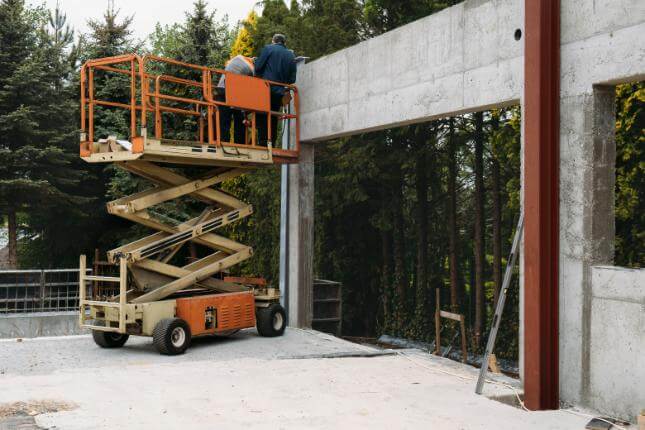
IPAF Mast Climber Training
Enquire Today For A Free No Obligation Quote
At IPAF Mast Climber Training, we provide professional access platform certification for operators and site teams across the UK. Mast climbers are essential for safe, efficient vertical access on high-rise developments, and our training ensures operatives are competent, confident, and fully compliant with industry safety standards.
Whether you’re an employer managing multiple worksites or an individual seeking to qualify for high-access roles, our accredited IPAF courses are tailored to suit your operational needs and scheduling preferences.
Why Is IPAF Mast Climber Training Essential for High-Rise Projects Around?
IPAF mast climber training ensures that operators can safely navigate height-related risks and handle the equipment with a full understanding of safety protocols. For high-rise projects, certification is essential for legal compliance and worker protection.
Two additional advantages include improved operational efficiency when working at multiple elevations and reduced downtime caused by avoidable safety incidents. Well-trained operators also help maintain a consistent workflow on complex vertical construction sites.
How Much Does IPAF Mast Climber Training Cost?
The cost of IPAF mast climber training ranges from £150 to £300 per delegate, depending on the training provider, class size, and course duration.
Prices are influenced by factors such as whether the session covers both operator and installer modules, on-site delivery versus centre-based instruction, and group booking discounts.
Contact IPAF Mast Climber Training to get a tailored quote.
What Topics Are Covered in IPAF Mast Climber Courses Across the Area?
IPAF mast climber training courses cover a comprehensive range of subjects, including:
- System components and functions – Understanding key parts of mast climber platforms and how they operate.
- Safe erection and dismantling procedures – Applicable for delegates completing the installer modules.
- Platform operation – Correct use of controls, travel, positioning, and safe working practices.
- Pre-use inspections – Identifying faults, checking structural integrity, and ensuring equipment readiness.
- Emergency procedures – Steps for dealing with malfunctions, entrapment, and platform recovery.
- Fall protection measures – Using harnesses and safety systems to prevent falls from height.
- Ground stability and loading limits – Ensuring safe setup and preventing overload conditions.
- Relevant legislation and standards – Understanding regulatory requirements and IPAF-compliant practices.
How Long Does It Take to Complete Mast Climber Training?
Most IPAF mast climber courses can be completed within one working day, typically spanning 6–8 hours, including theory, practical training, and assessment.
Some providers may split the training over multiple sessions, depending on group size, or add modules for installer certification. Certification is usually issued immediately after a successful assessment.
Do Employers Require IPAF Certification for Mast Climber Operators?
Most reputable employers mandate IPAF certification as a minimum standard for those operating mast climbing work platforms. The IPAF PAL Card is widely recognised in construction and facilities management, ensuring operatives meet legal and contractual safety requirements.
Certified staff also contribute to smoother, more compliant site operations. Many contractors now include IPAF qualifications as part of their mandatory onboarding criteria for new workers.
Is On-Site Mast Climber Training Available Within the Region?
Many IPAF mast climber training providers offer on-site training where a suitable mast climber system is already installed or accessible for practical training.
This option is ideal for employers who want to certify teams without removing them from active projects. On-site courses allow trainees to familiarise themselves with the actual equipment used on their job site.
What Safety Standards Are Taught in IPAF Mast Climber Courses?
IPAF mast climber courses emphasise a range of essential safety standards, including:
- Fall prevention practices – Using harnesses correctly and maintaining safe positioning on platforms.
- Emergency lowering procedures – Knowing how to respond if the platform becomes stuck or suffers a malfunction.
- Load limit compliance – Understanding safe working loads and avoiding overloading the equipment.
- Hazard awareness – Identifying risks around moving parts, electrical sources, and surrounding structures.
- PPE requirements – Ensuring operatives wear appropriate protective equipment during all operations.
- Pre-use inspection protocols – Carrying out systematic checks to verify the platform’s condition and functionality.
- Work at Height regulation compliance – Operating in accordance with UK safety legislation and industry best practice.
Are There Beginner-Friendly IPAF Mast Climber Courses Around?
Entry-level IPAF mast climber training courses are widely available and designed for those with little or no prior experience. These sessions provide clear instruction, extended practical guidance, and support through the assessment process.
Beginner courses are particularly suitable for new recruits or staff transitioning into high-access construction roles.
Contact IPAF Mast Climber Training for a consultation on getting an IPAF mast climber training.
Find More Info
Make sure you contact us today for a number of great IPAF mast climber training services.
For more information on IPAF Mast Climber Training, fill in the contact form below to receive a free quote today.
★★★★★
The training was clear, practical, and delivered in a way that made the whole process feel straightforward, even for those of us new to mast climbers. The instructor took the time to explain every safety step and made sure we were confident before moving on to the assessments. I left fully prepared to work on high-rise sites.
Daniel Rooke
Greater London
★★★★★
IPAF Mast Climber Training gave our team exactly the support we needed, with a good mix of hands-on practice and proper safety guidance. The session was well organised, and the trainer was patient and genuinely knowledgeable about real on-site conditions. It’s a course I’d happily recommend to other crews.
Lianne Cartford
Greater London